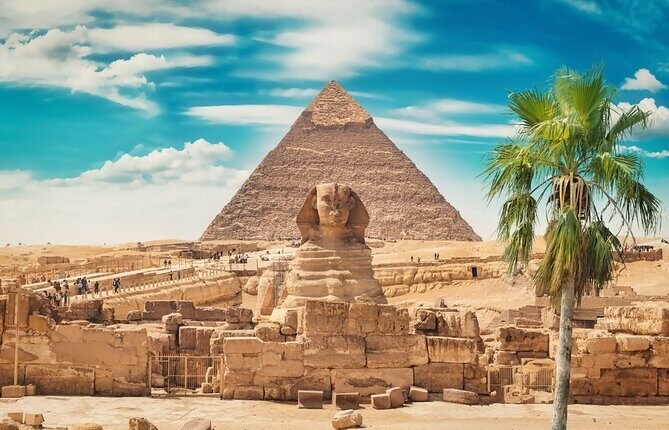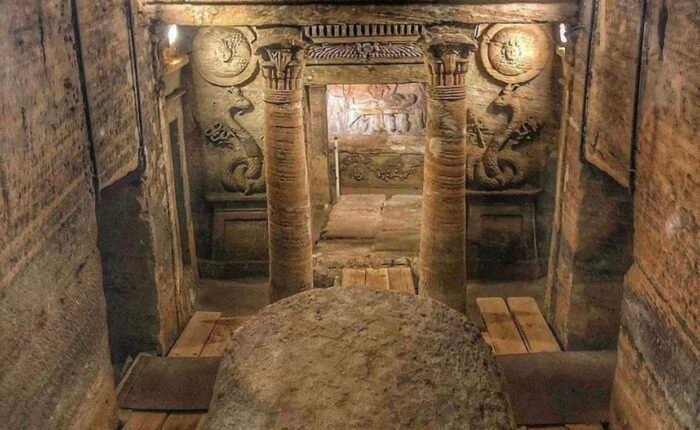
Discover the beauty and heritage of southern Egypt on this Full-Day Tour to Aswan Highlights from Luxor. Travel in comfort along the scenic Nile Valley and explore the most famous landmarks of Aswan — a city celebrated for its ancient temples, breathtaking river views, and vibrant Nubian culture. With your expert Egyptologist guide, uncover the fascinating stories behind each monument and experience the timeless charm of Upper Egypt.
Price Includes
Price Excludes
Start your early morning journey from Luxor with a scenic drive south through the Nile Valley towards Aswan. Upon arrival, your professional Egyptologist guide will take you on a captivating tour of the city’s top attractions:
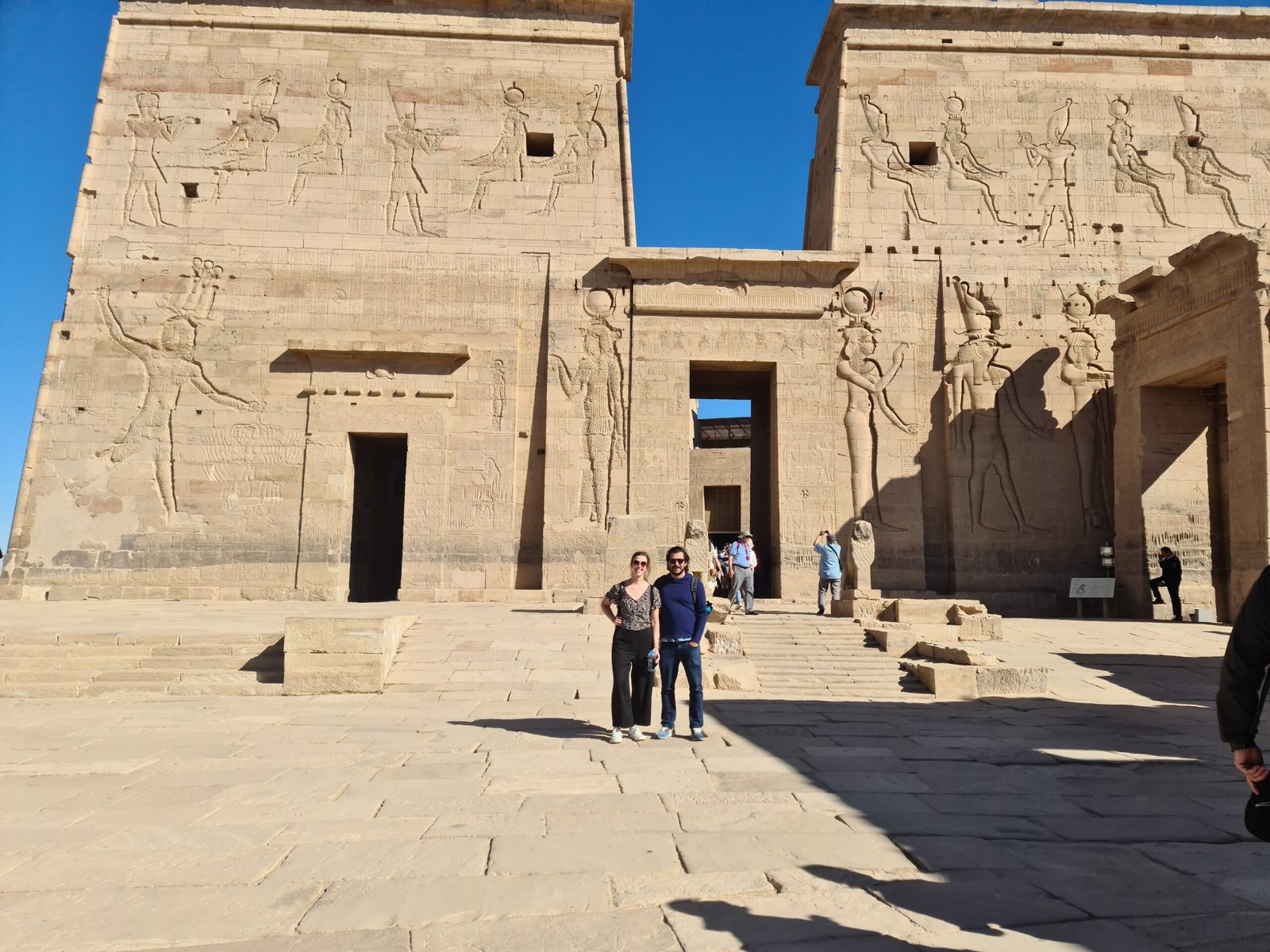
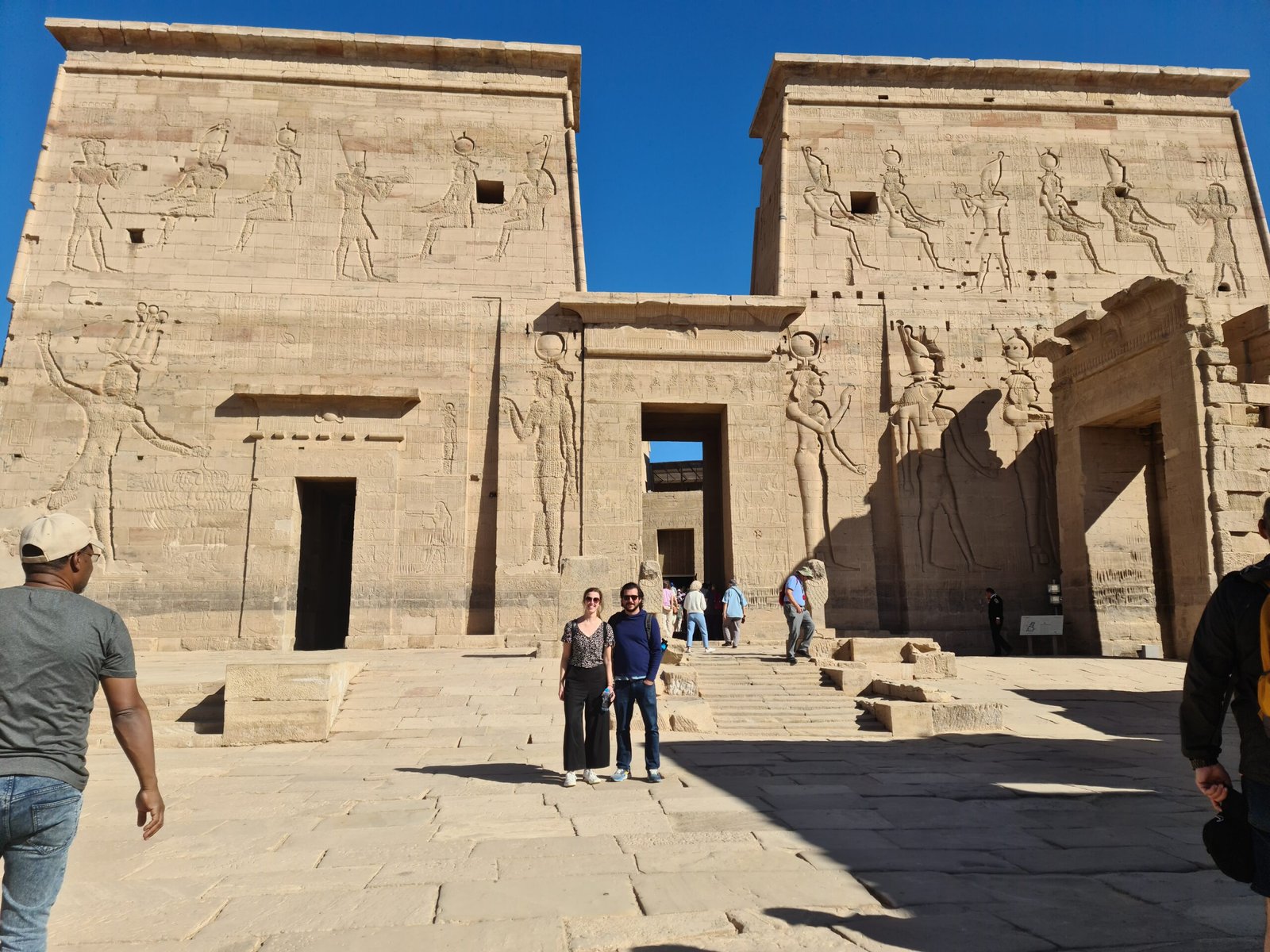
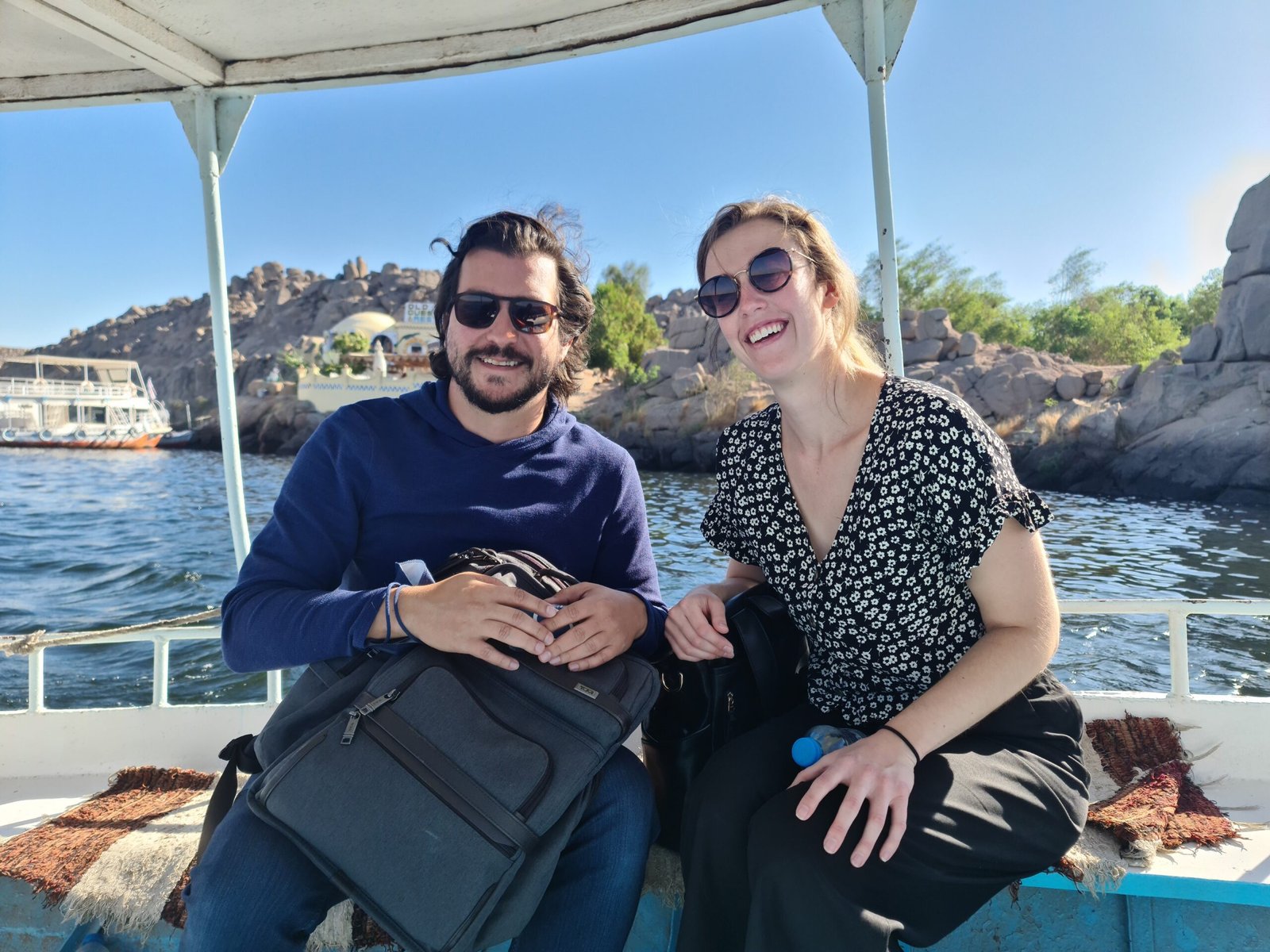
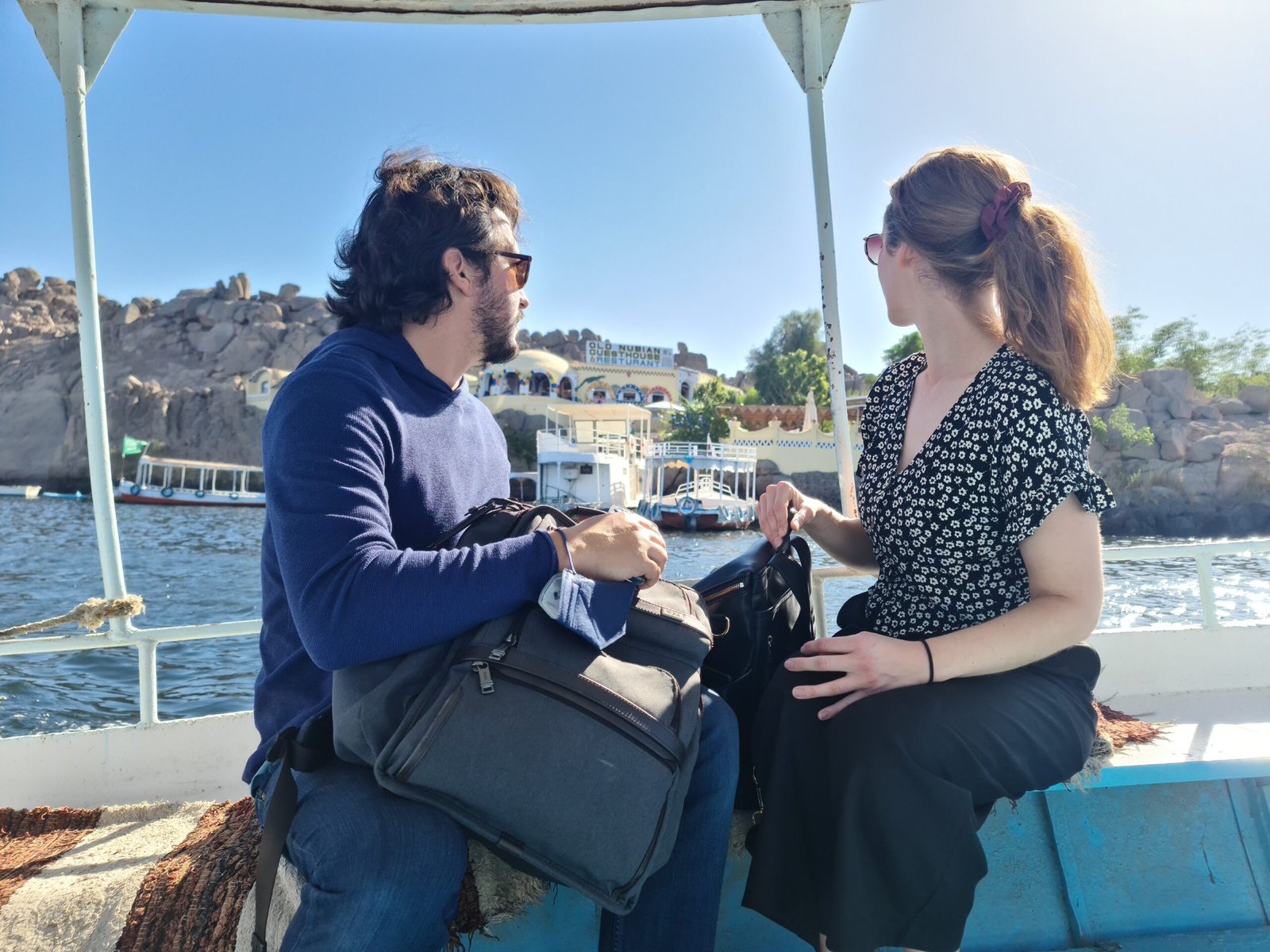
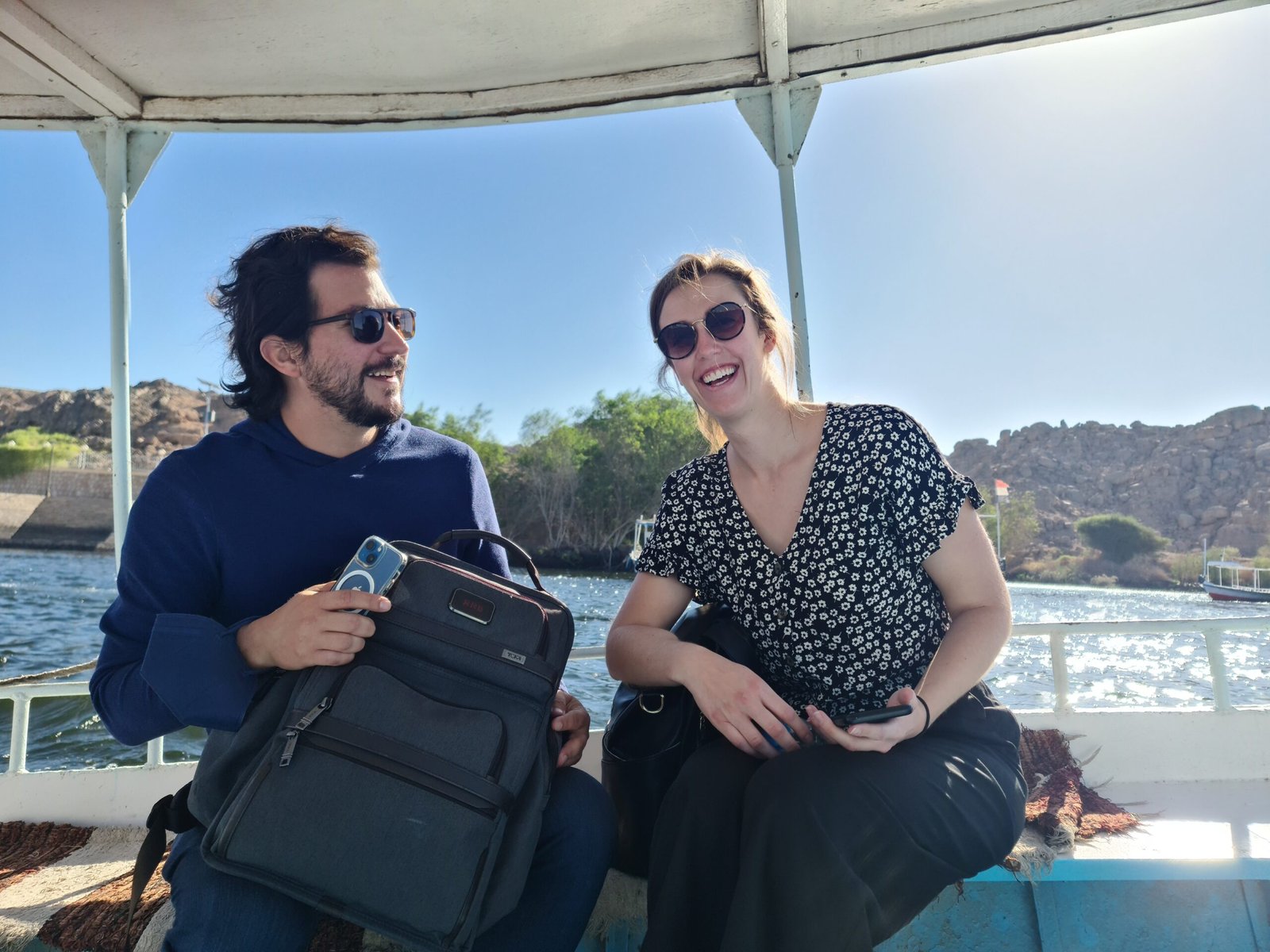
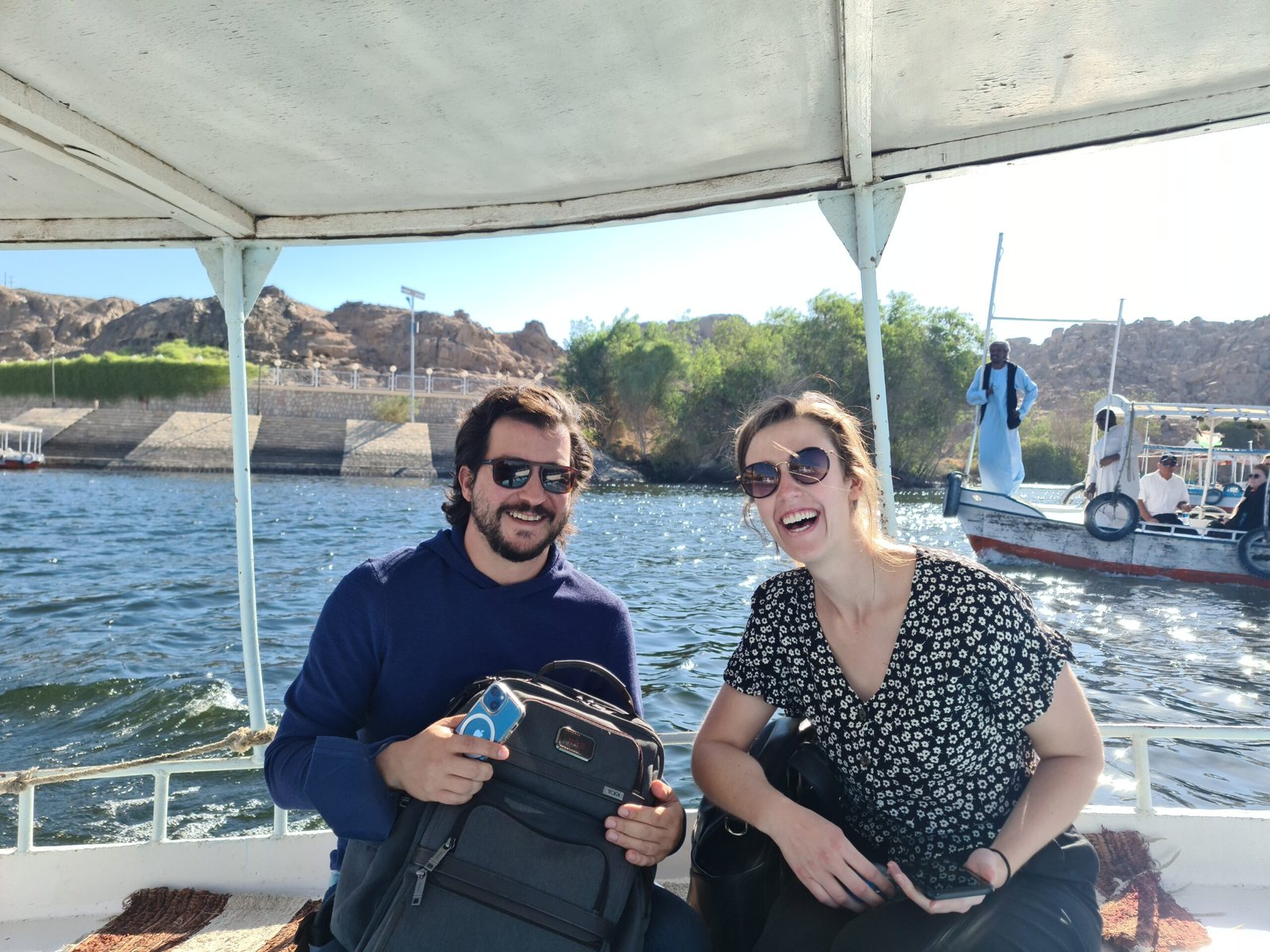
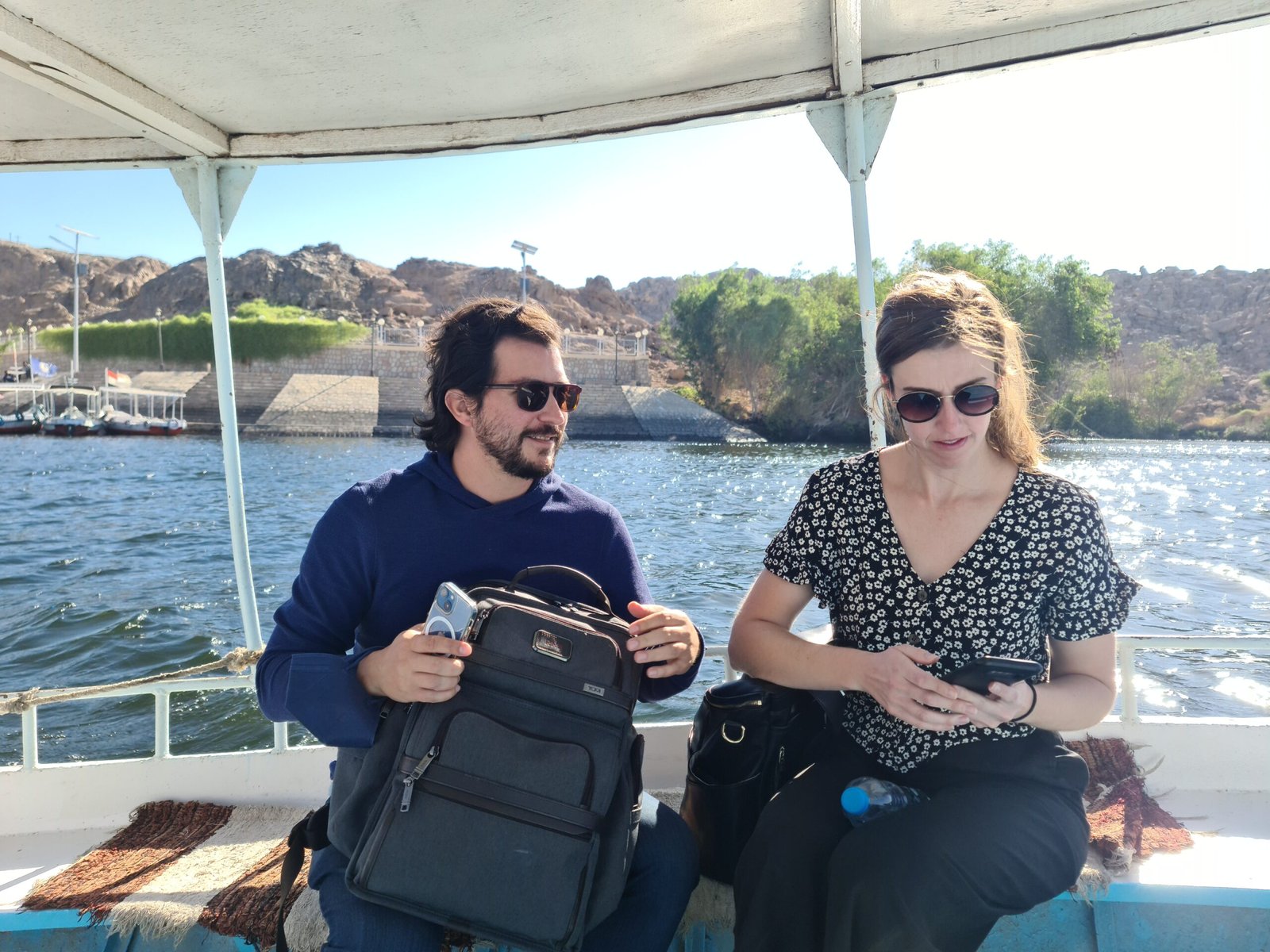
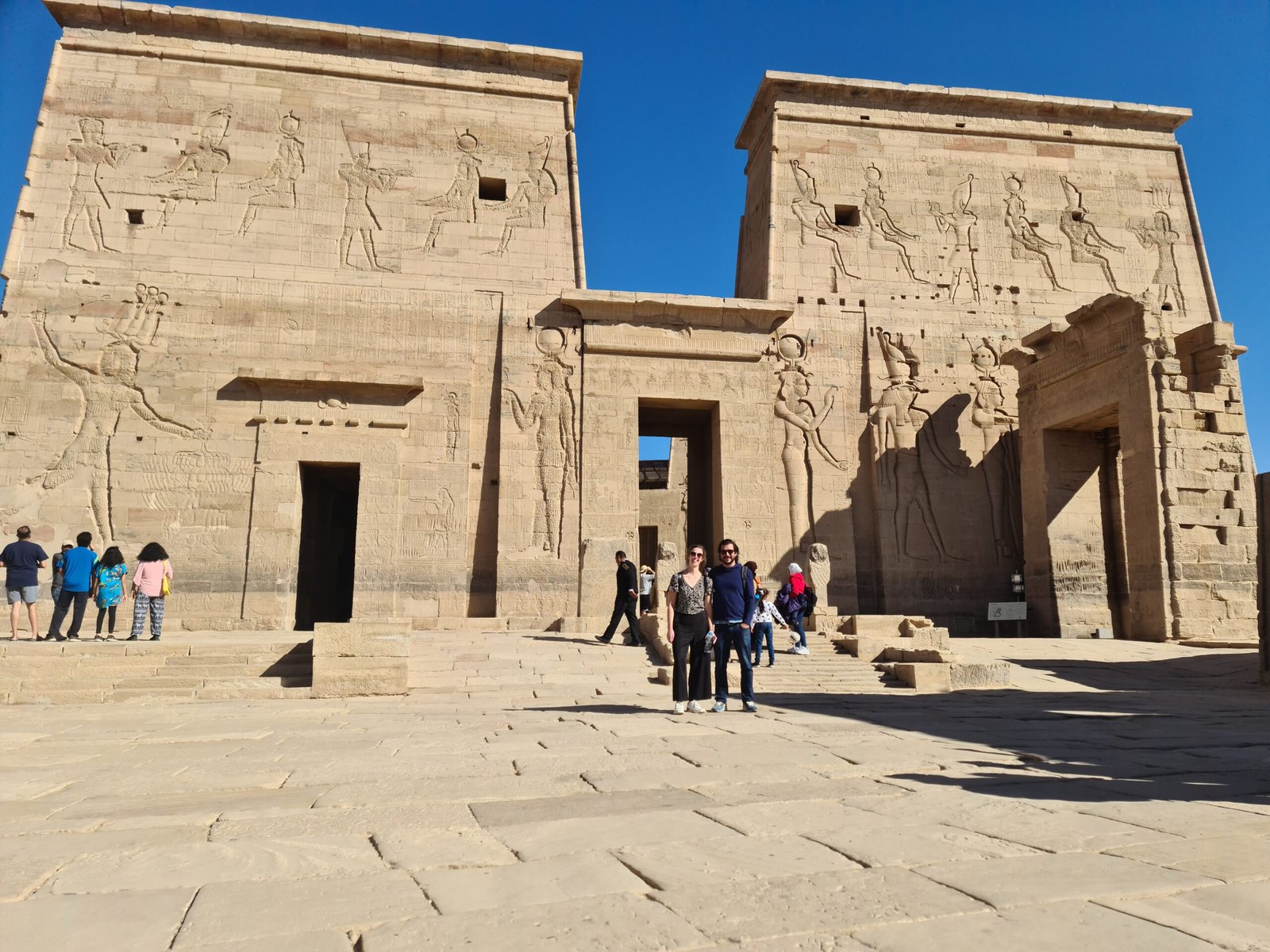
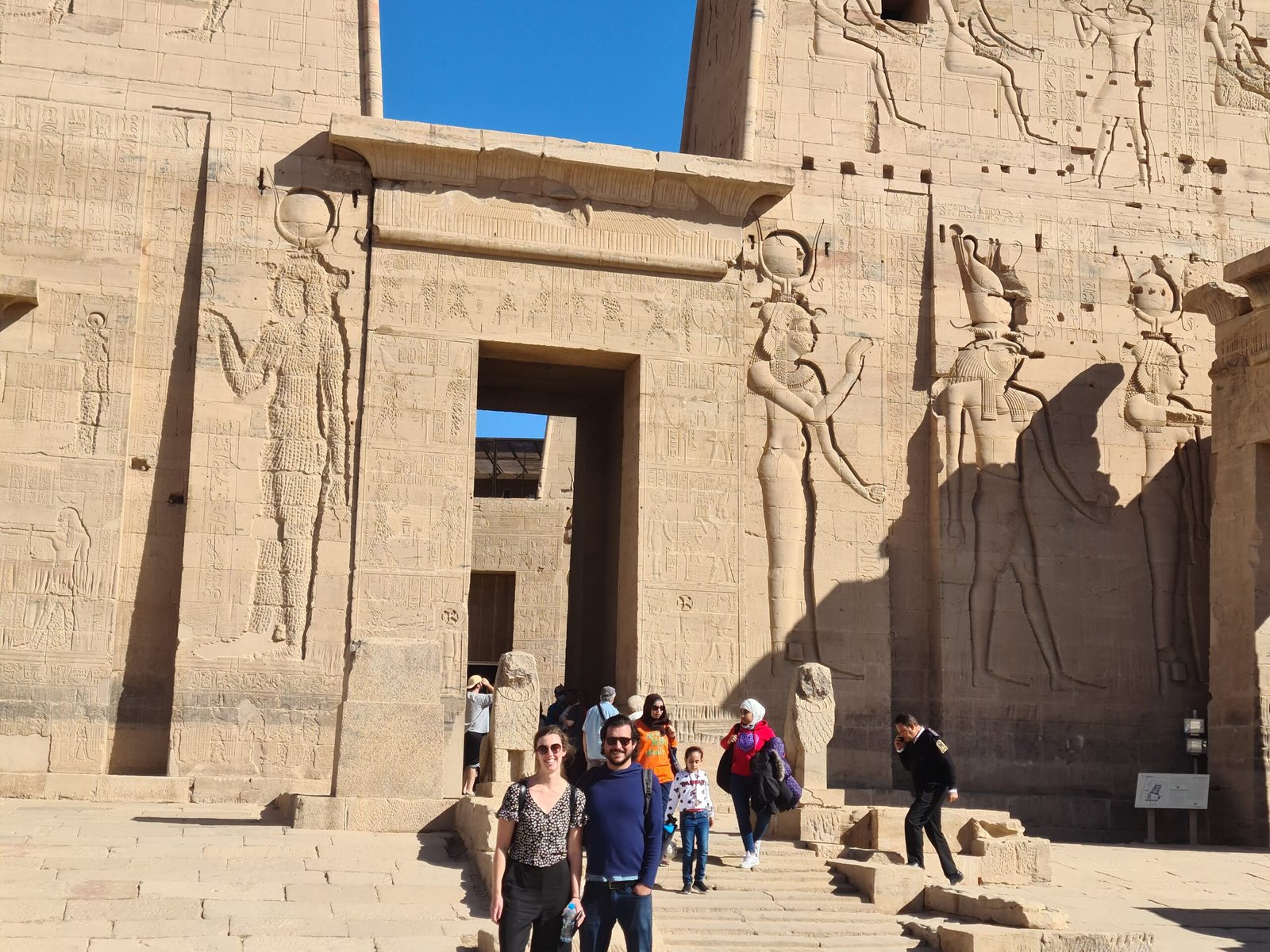
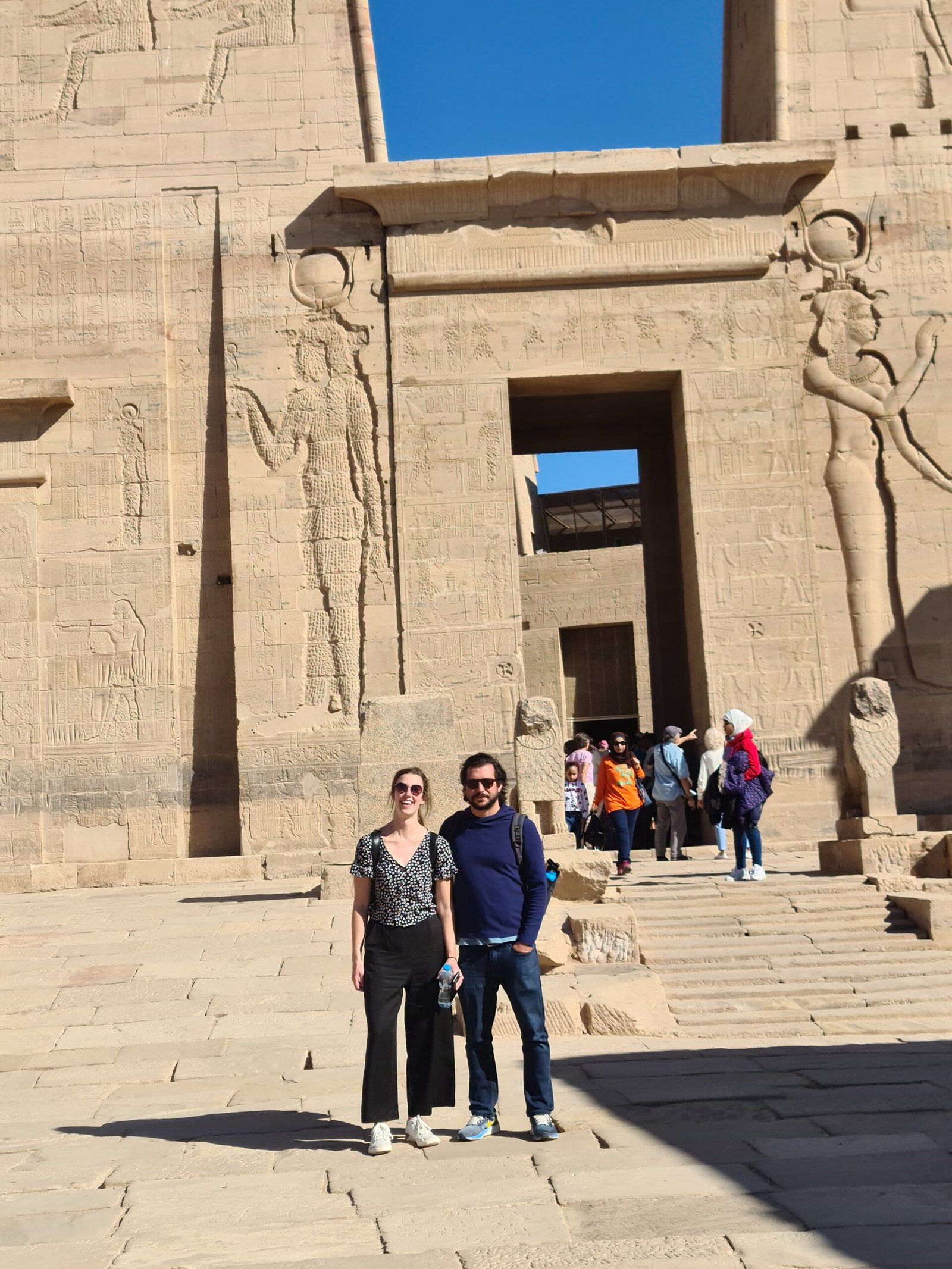
Philae Temple: Board a motorboat to reach Agilkia Island, where the magnificent Temple of Isis stands as a symbol of love and devotion. Admire its detailed reliefs and tranquil island setting.
High Dam: Learn how this modern engineering marvel protects Egypt from floods and provides much of the country’s electricity.
Unfinished Obelisk: Step into the ancient granite quarries to see how these massive monuments were carved — and discover why this one was left incomplete.
The Temple of Philae is one of Egypt’s most enchanting ancient monuments and a must-visit site in Aswan. Located on the picturesque Agilkia Island in the Nile River, this stunning complex is dedicated to Goddess Isis, the Egyptian goddess of love, magic, and motherhood. Known as the “Pearl of the Nile,” Philae Temple is celebrated for its elegant architecture, captivating reliefs, and romantic setting surrounded by the tranquil waters of the Nile. It stands today as a UNESCO World Heritage Site and one of the best-preserved temples in Egypt.
The origins of Philae Temple date back to the Ptolemaic Dynasty (3rd century BC), with additions made by Roman emperors over time. The temple served as a major center of worship for the goddess Isis, attracting pilgrims from across ancient Egypt.
When the High Dam was constructed in the 1960s, the original island of Philae was submerged under the rising waters of Lake Nasser. Thanks to a monumental rescue project by UNESCO, the entire complex was dismantled stone by stone and relocated to the nearby Agilkia Island, preserving it for future generations.
Today, Philae Temple stands as a symbol of both ancient devotion and modern preservation.
The Aswan High Dam is one of Egypt’s most impressive modern achievements and a must-see landmark during any visit to Aswan. Stretching across the Nile River near the border with Sudan, this monumental structure controls the annual flooding of the Nile, provides hydroelectric power, and secures water for irrigation throughout Egypt. The High Dam not only transformed Egypt’s economy but also stands as a symbol of national pride, engineering brilliance, and modern progress.
Construction of the Aswan High Dam began in 1960 under President Gamal Abdel Nasser and was completed in 1970, with support from the Soviet Union. The dam was built to replace the smaller Aswan Low Dam, which could no longer manage the Nile’s powerful floods.
The creation of the dam led to the formation of Lake Nasser, one of the largest artificial lakes in the world, extending over 500 kilometers into southern Egypt and northern Sudan. This massive project reshaped Egypt’s future, providing stable irrigation, flood control, and reliable energy for millions of Egyptians.
The Unfinished Obelisk is one of the most fascinating archaeological sites in Aswan and offers a rare glimpse into the stone-carving techniques of ancient Egypt. Located in the Northern Granite Quarries of Aswan, this massive monument was intended to be the largest obelisk ever built, but it was left incomplete due to cracks that appeared in the granite during construction. Today, it stands as an open-air museum that reveals how the ancient Egyptians shaped and transported these colossal structures thousands of years ago.
Commissioned during the reign of Queen Hatshepsut (circa 1500 BC), the Unfinished Obelisk was meant to complement the Lateran Obelisk in Karnak Temple. Had it been completed, it would have stood about 42 meters (137 feet) tall and weighed over 1,200 tons, making it the largest known obelisk in ancient Egypt.
However, as workers carved the obelisk directly out of the granite bedrock, a large crack appeared, forcing them to abandon the project. The site was then left untouched — a frozen moment in history that perfectly preserves the techniques and tools used by ancient Egyptian stonemasons.
👟 Comfortable walking shoes are highly recommended, as some sites require moderate walking on uneven ground.
🧢 Please bring sun protection such as a hat, sunglasses, and sunscreen.
📸 Modest, lightweight clothing and a camera are also advised to fully enjoy your day exploring Luxor’s West Bank.
✅ Yes — we offer flexible scheduling!
You can change your tour date according to your travel plans.
To ensure smooth arrangements and availability, please request any date changes at least 24 hours before the scheduled tour time.
All rescheduling requests are subject to availability and confirmation.
✅ Yes — customization is available for private tours.
You may choose to spend more time at specific attractions, skip sites you’re not interested in, or adjust the overall pace of your visit.
Please share your preferences in advance so your Egyptologist guide can tailor the experience perfectly to your interests.
+20 105 020 2300
contact@wendyholidays.com